My Export Journey and the Importance of Trade Finance
When I conceived the idea of an export business in the US I thought that just producing the product and finding a buyer would be enough. But when I entered the practical world, I realized that the biggest challenge was the payment system. My heart was pounding while sending the first shipment because I was not sure if I would receive the money on time. That’s when I realized the true value of trade finance. Trade finance gave me financial security and gave me the confidence that I could operate safely in the international market. Today, I use trade finance in every deal because my experience has taught me that growth without security is risky.
Basic Concepts of Commercial Finance that I Learned
Trade finance is not just the name of loans but a complete system that protects both exporters and importers. When I understood this system in detail, I realized that the role of banks is very powerful. Letters of credit create trust between the buyer and the seller. Financing provides working capital to exporters. Insurance protects against losses. When all these things are combined, international trade runs smoothly. Now I advise every new exporter to never accept large orders without trade finance.
The first step in Setting up Trade Finance in the USA
I first established a strong business structure. I organized legal registration, tax compliance, and financial records. Banks only work with businesses that are transparent and professional. I filed my income statements, cash flow reports, and buyer agreements properly. This preparation ensured that I had no problems with the approval process. When the documentation is clear, the bank’s trust is easily gained.
Why is it Important to Choose the Right Bank
Initially I approached a standard bank that was not very experienced in international trade. The process was slow, and the guidance was weak. Then, I chose a trade finance specialist bank.

Strong bank relationships took my business to the next level. Faster approvals, better interest rates, and global connections made it easy to expand exports.
Letter of Credit in my Security
- A letter of credit gives me the greatest security in monetary transactions.
- The buyer’s bank ensures installment, which decreases the hazard to nearly zero.
- After submitting the shipment documents, payment is made automatically.
- This system effectively reduces the chances of fraud and payment delays.
- The use of letters of credit has become mandatory in large transactions
Invoice Financing Benefits your Cash Flow
Relief From the Pressure of Late Payments
In the finance export business, buyers often delay payments, which disrupts daily operations. When I started using invoice financing, I was relieved of this stress. The bank provided me with foreign funds based on invoices, eliminating the stress of waiting.
Keeping up Steady Working Capital
Invoice financing makes a difference in keeping up steady working capital. It is conceivable to buy crude materials and pay laborers on time. The trade runs easily, and generation does not stop. When capital is stable, exporters can accept new orders with confidence.
Continuous Supply Chain for Growth
When cash flow is strong, the supply chain never breaks. I can arrange my following shipment in progress and guarantee opportune conveyance to buyers. This consistency has driven to a solid notoriety and rehash orders. Receipt financing has made my trade development sustainable.
5 Practical Steps to Trade Finance Setup
Step 01: Prepare complete documentation.
The moment step is to select an experienced exchange back bank.
Step 02: Confirm the buyer’s foundation..
Step 03: Implementing a Secure Payment System
Step 04: Get insurance and risk cover.
These simple steps made my export operations professional and significantly reduced the chances of losses.
Complying with and Following the laws
Export trade in the US is highly regulated. Each product has different rules. I check trade laws, complying traditions prerequisites and keeping money directions sometime recently for each shipment.
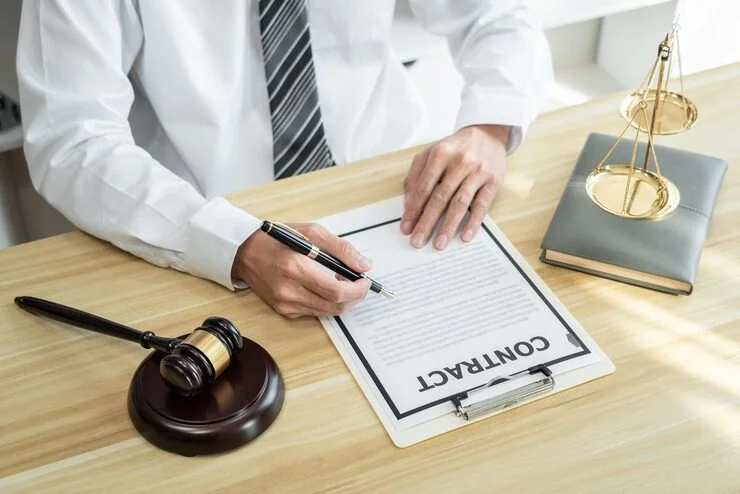
This preparation can in some cases appear boring, but it is fundamental for security. When compliance is strong, payments are faster, and legal issues can be avoided. Digital tools made trade finance faster
Trade Finance Used to be Paperless.
Presently, computerized stages have modernized the framework. I oversee letters of credit through online entrances, transfer reports, and check status in real time. This diminishes blunders and speeds up endorsements.
Risk Management My Strategy is Strong
When I started, I thought that just having a good quality product was enough, but later I realized that risk planning is even more important. The currency market changes daily, sometimes reducing profits and sometimes increasing the possibility of losses.
Political situations can block shipping routes, and sometimes customs issues arise. All of this has ensured my trade from startling misfortunes and given me the certainty to arrange long-term. Without chance administration, trading can be a bet, but with the right frameworks in place, it can be a productive enterprise.
Build Trust with long-term Buyers
I have found that exporters who center, as it were, on short-term benefits do not get exceptionally distant. When I began working with long-term buyers, my wage stabilized and my push diminished. Belief is not built overnight, but through steady performance.
I continuously keep up quality, indeed if the cost is a little high. I follow the delivery schedule and inform the buyer in advance if there is any problem. This honesty has won the hearts of my buyers. Now many buyers place advance orders, and some even pay in advance. When trust is strong, communication becomes easier, and profit margins are also better. Long-term trust is what makes an export
how to business sustainable.
My Mistakes that I Learned From
When I was new, I thought every deal was easy. I once submitted fragmented archives, which caused the bank to halt the installment. The shipment had as of now been conveyed, and I had to hold up for the cash. This experience was very stressful. Another time, I accepted a buyer’s tempting offer without doing any research.

I later discovered that he had a poor financial history, and his payments had been months late. That loss taught me discipline. Now, I check every buyer’s credit, review every contract with an attorney, and follow every step of the process. Mistakes are expensive, but they’re what make you a professional.
Conclusion
If you’re serious about growing your export business in the U.S. make trade finance your strongest weapon. It not only provides cash flow but also gives you protection and strategic planning tools. There are always challenges and risks in the export business, whether it’s payment delays, currency fluctuations, or unexpected problems from the buyer. Trade finance solutions like letters of credit, invoice financing, and export credit insurance protect you from these risks and keep your cash flow intact.
In my journey, I have observed that exporters who adopt smart financial tools and risk management techniques are able to weather crises and capitalize on growth opportunities. Relying solely on trust and the basic terms of contracts leaves businesses vulnerable. Therefore, every exporter should have a strong and structured financial strategy. Also, market research and buyer verification should not be underestimated.